
I absolutely love the festive season, which starts with Varalakshmi Vrata and continues till Vishu (essentially, the end of July to mid-April, which is almost 10-odd months). The only couple of months where no one celebrates is the monsoon. But here, across different cultures, this silent period makes way to reflect, reminisce, and reload.
While the world thinks these are the doings of a lunar calendar, if you look closely, the Indian culture never left sight of its agrarian roots. Every food, decoration, and ritual constantly reminds us of the season and agricultural cycle we are in. It is deeply rooted in Ayurvedic practices and generally works towards your physical and psychological well-being. Like the fasting during Shravan and Navratri, the nine colors of Shakti, the sundal at Navratri, and Puran Poli at Holi, everything feels brighter with purpose and a dash of color, It reminds you of what is best for your body at that time of the year and the festive nip makes you look forward to dressing up and meeting people.
That brings me to one of my favorite festivals of the year: Navratri. I will share my golu photos shortly (I hope!), but this season, starting from Ganesh Chaturthi to the end of Navratri is a little heavy for me particularly. These are two of my favorite deities, probably because I resonate the most with the scriptures around the two. These two celebrations also talk deeply about the attachment-happiness-devotion-detachment cycle of life. From invoking life into idols, serving sumptuous meals, decorating them with garlands, ornaments, and clothes, dancing-laughing-socializing, and eventually letting them go into the vast expanse of the oceans, we learn the lesson of life and living. I spoke about this in detail last year in this post here. But today, thanks to a little birdie, I have a different take on the period that we celebrate in between.
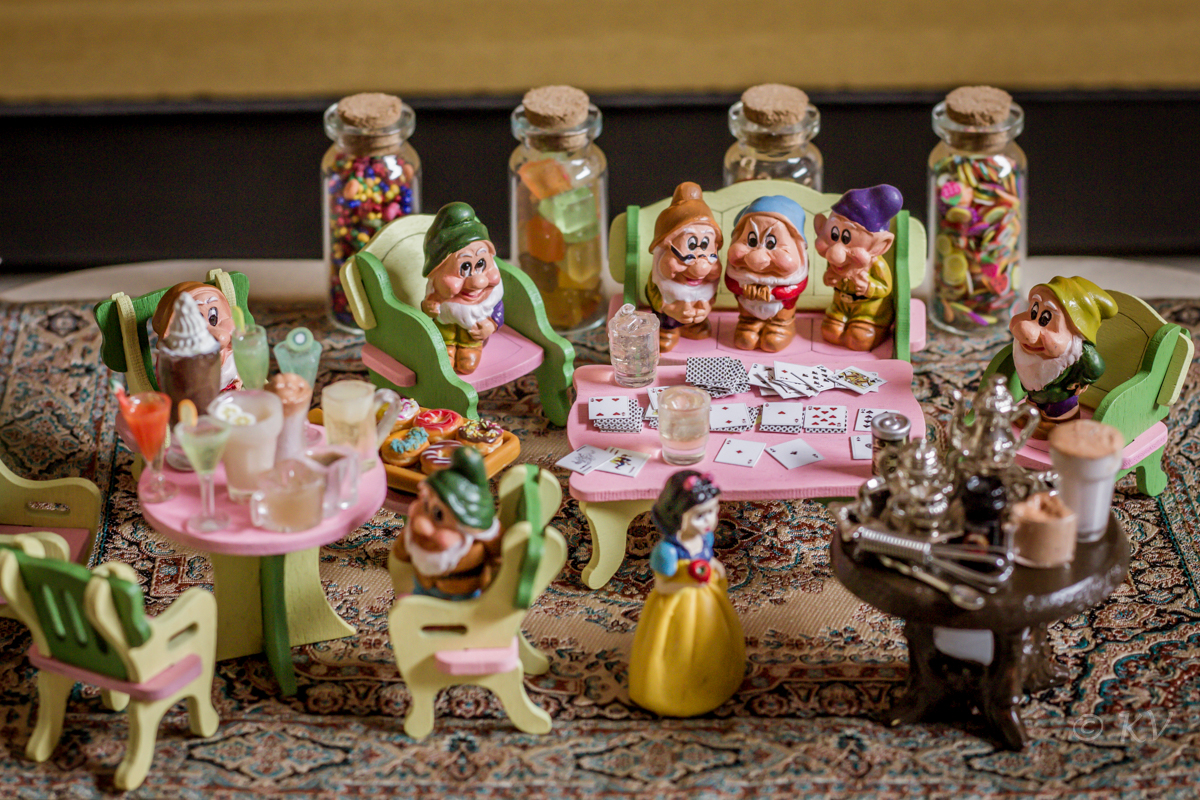
In India, we have a saying, Athithi Devo Bhava, a Sanskrit phrase, which means, that those who come without intimating you (guests) are akin to god. But the gods in India inform you a year in advance so that you can prepare for their arrival in style. The title of this blog, in Sanskrit, translates to “when god becomes your guest”. Now one would assume that everyone will be excited and run helter-skelter to be a part of the preparations. But there are all sorts of people in the world.
Go back to the time when you were a small child and guests showed up unexpectedly (no one informed kids at home anyway!) You’d be dressed up, and depending on your age, you’d be tasked to serve/make nimbu paani, refreshments, and water to the guests. They would ask you standard questions, followed by awkward silence. Your parents then make some flimsy excuses based on the time of the day to let you off the hook (either you’re locked in the room to “study” or run outside to play). If any of these guests make either your mom or dad uncomfortable, they plan an escape route as well: Mom finds solace in the kitchen and if dad is already out, he’ll take time to return or run errands that your mom has been pleading him to do for days together.
Then there are neighbors who stop by for a quick chat, who are always welcome. Finally, there are guests you invite for a party, where you plan extensively to have fun. Some come with a sense of obligation, some with a sense of duty, and some are truly happy to be there, and others who just duck and bunk. If you sit at any pandal and observe, you will find all of these people. I witnessed this year after year at my own society, but this year, it actually hit me on the day of Visarjan.

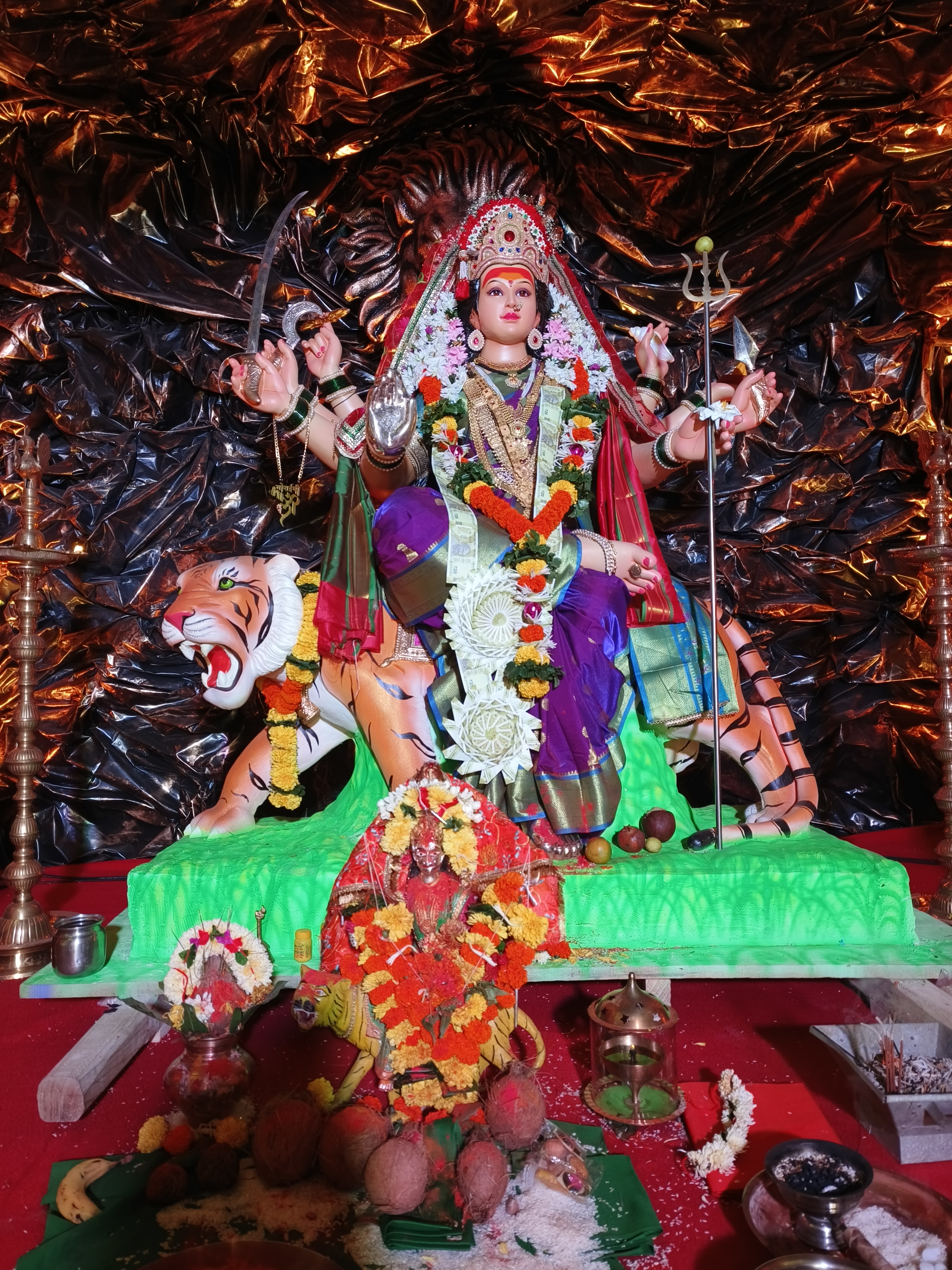
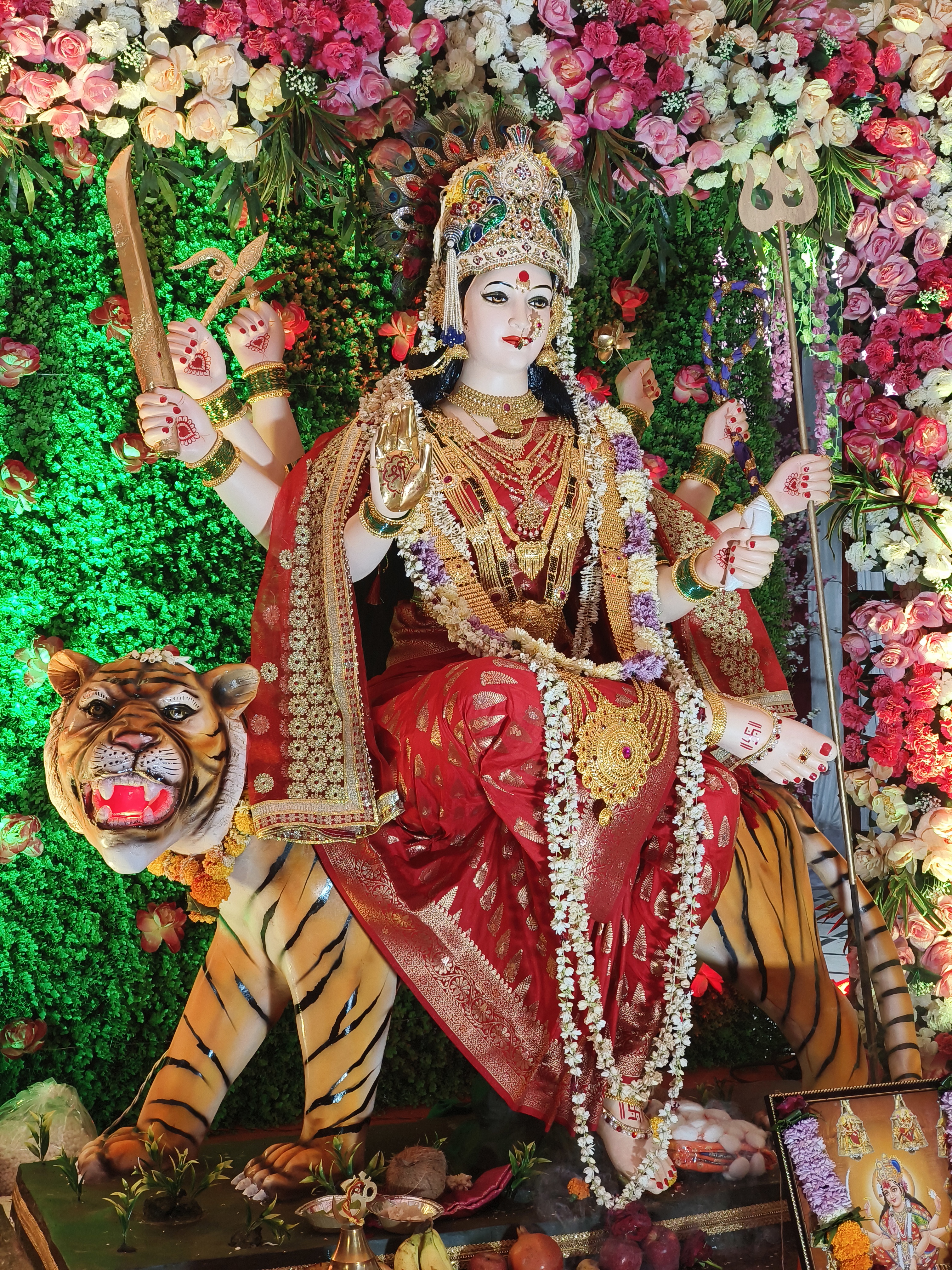


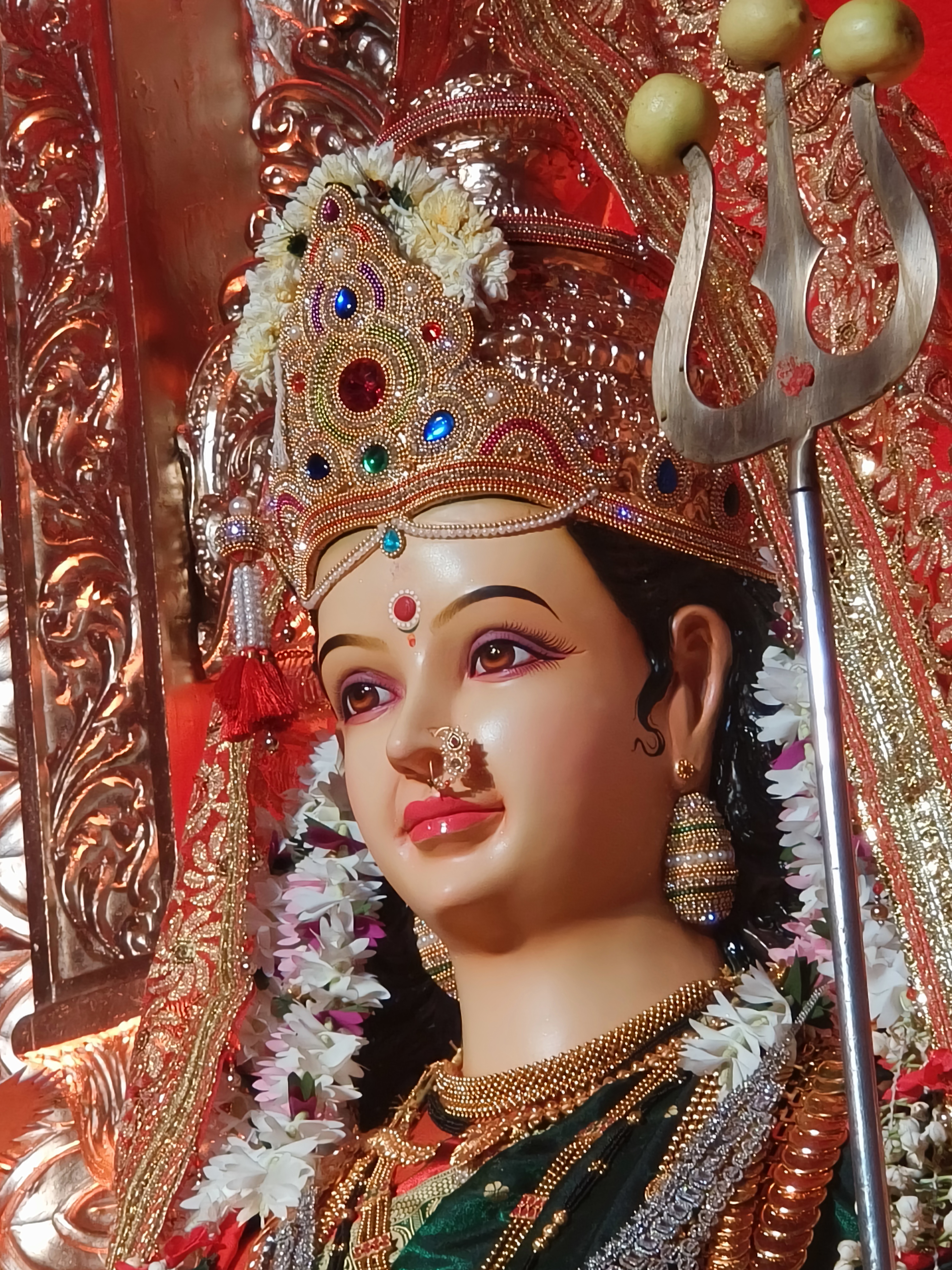


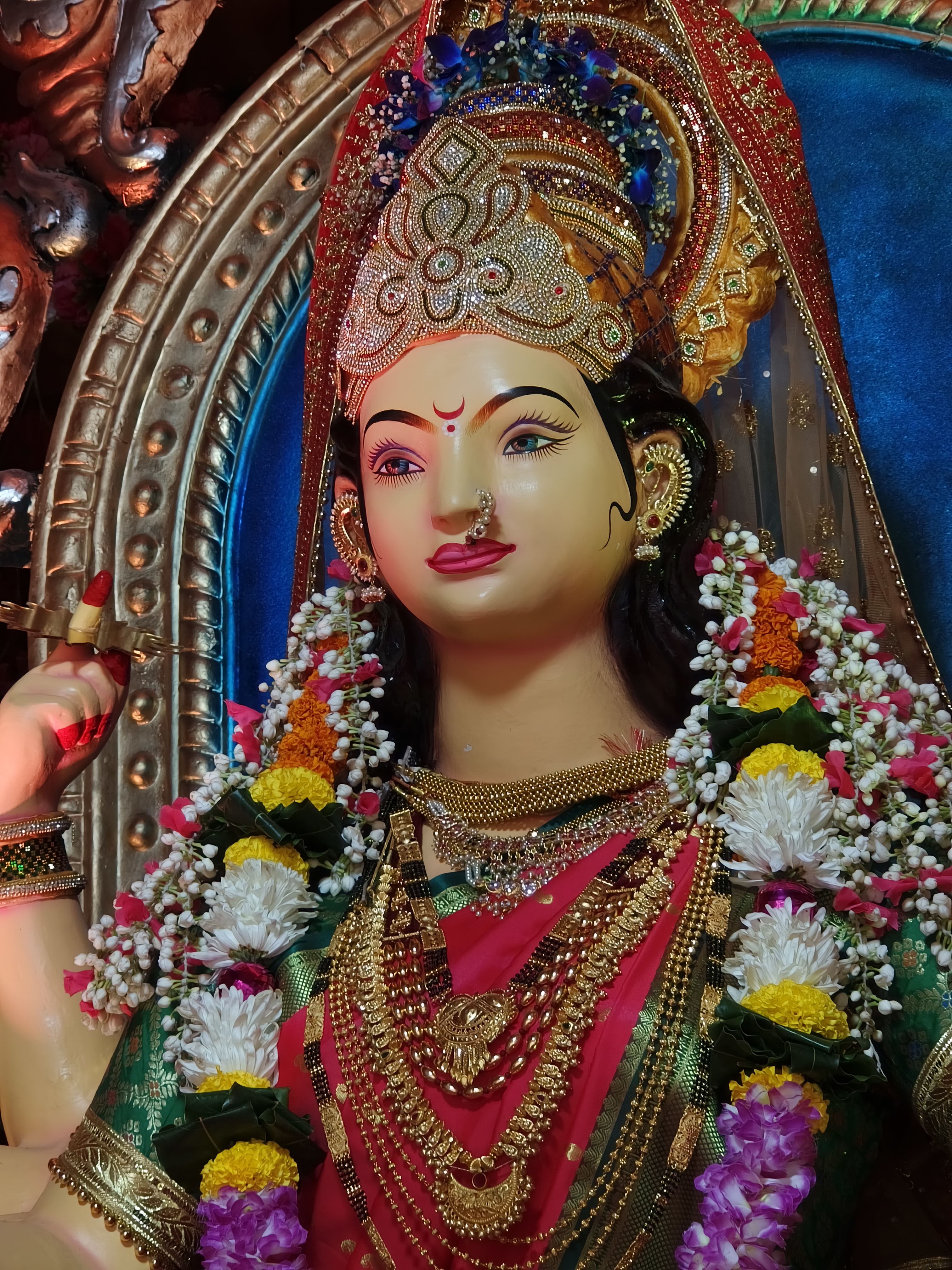
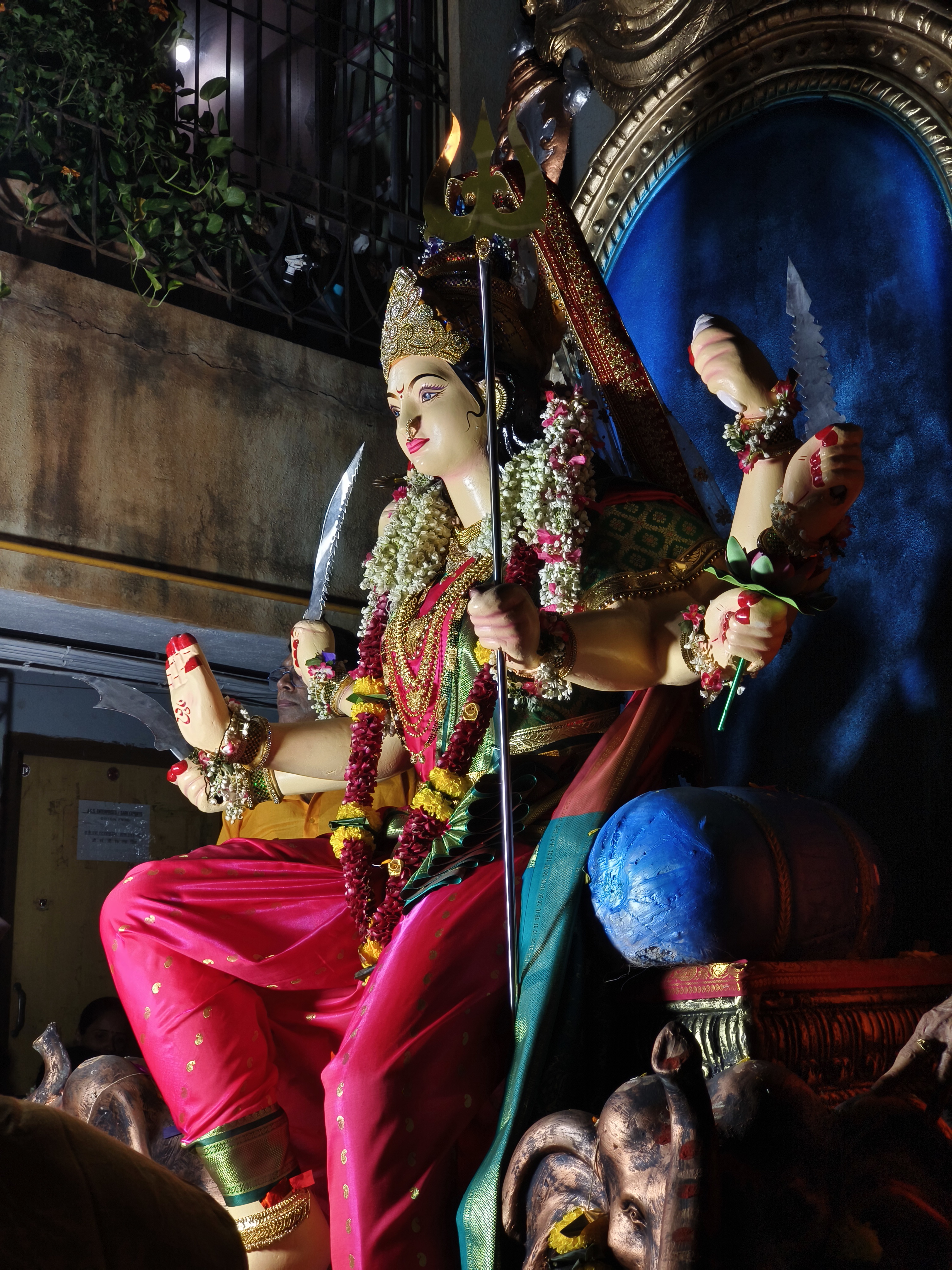
As the procession for her farewell leaves with a lot of pomp and gusto, everyone bids farewell to the goddess with song, dance, and happiness, as soon as the idol crosses the society gate, there is a gloom that sets in and tears begin to flow. Everyone will remind each other that she will visit soon next year. But for those 10 days, this ‘guest’ brings us nothing but joy. For many like me, there is no agenda to this joy, I feel grateful for her abundant blessings and her presence. Rituals dictate a few to do things the right way, others come seeking her solace. Others want her ‘blessings’ in specific ways. Some don’t bother with her being there.
But there is a divine feeling that fills up the empty spaces. When she leaves, we get used to that fullness. Maybe that’s why the void that she leaves behind makes her absence make me feel so heavy.

 Snapshots of my World